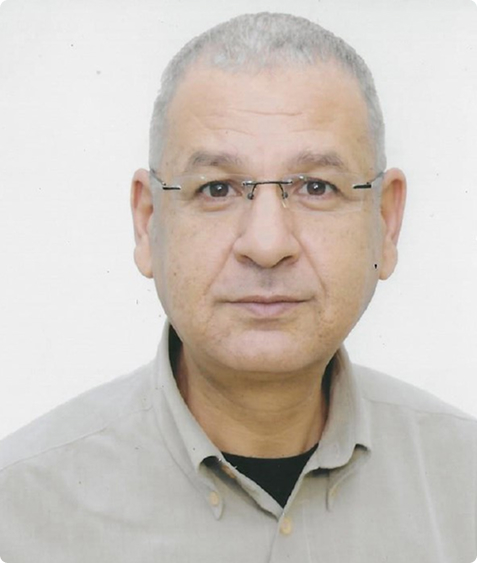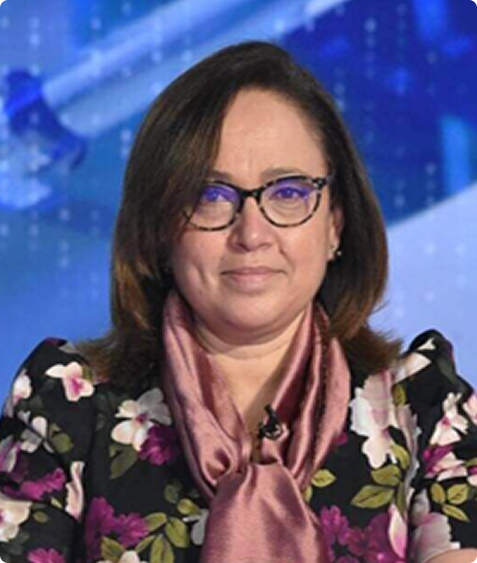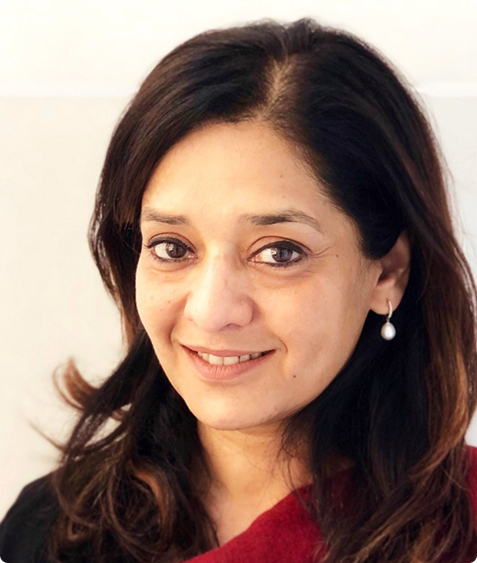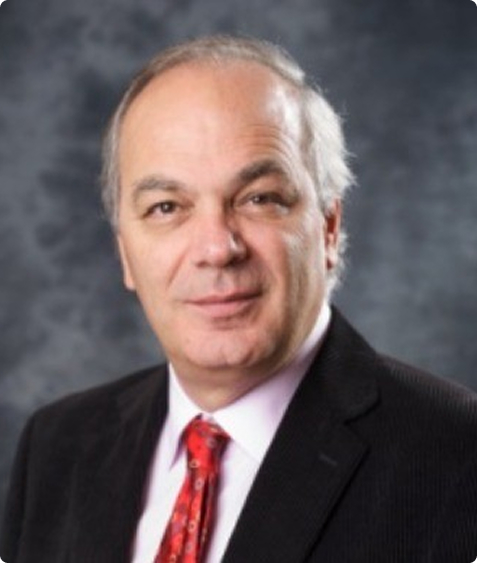

Minister of Health, Government of Tunisia (President of the
Conference)
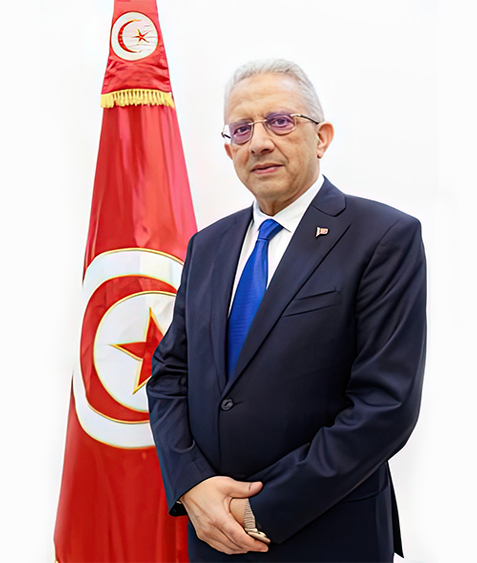
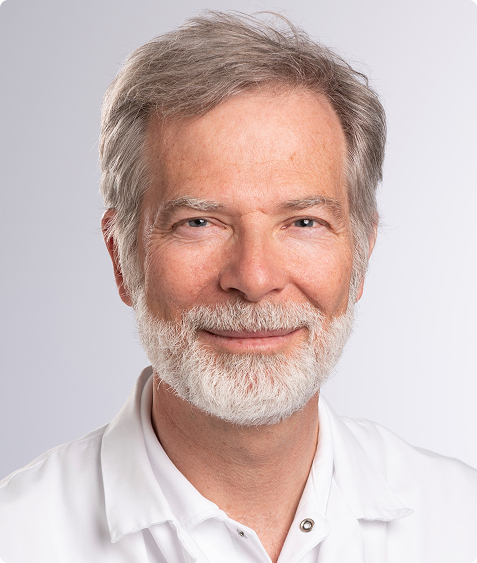
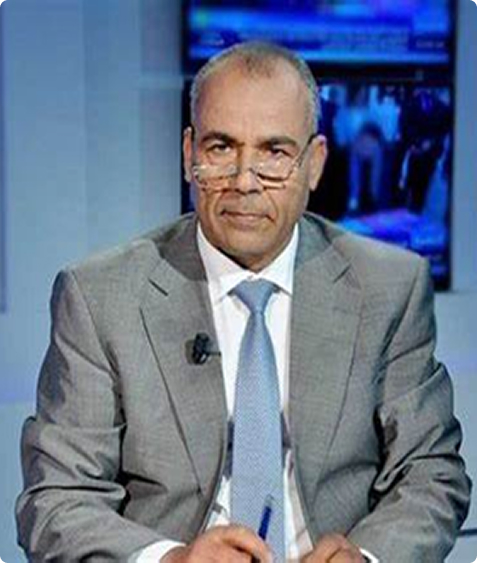
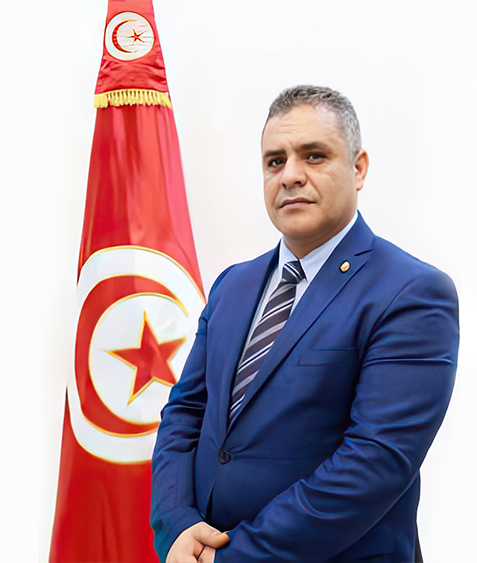
H.E. Dr Mustapha Ferjani has been
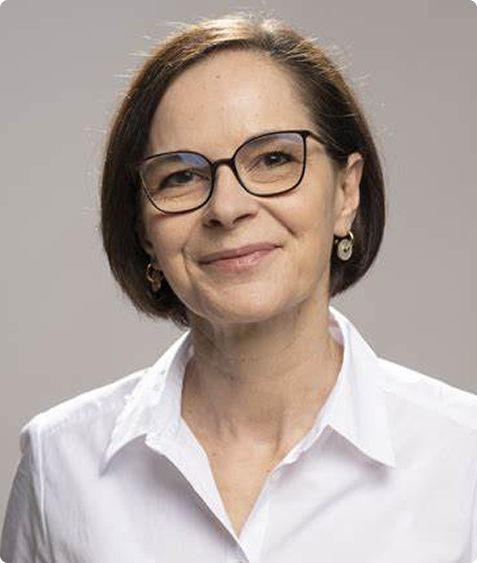
Tunisia’s Minister of Health since 25 August 2024 .
A career military medical doctor and anesthesiologist, he
earned his Medical Degree from the Faculty of Medicine of
Tunis in 1987, specialized in Anesthesia-Resuscitation in
1992, and became an associate professor in 2022.
Dr. Ferjani headed the anesthesia department at Tunis
Military Hospital (2003) and later served as
Director-General of Military Health (2017) before joining
the President’s office as a senior advisor.
As minister, he is prioritizing the digitalization of
hospital medicine stocks, rebuilding aging facilities, and
creating incentives to retain the healthcare workforce.
H.E. Ezzeddine Ben Cheikh
Minister of Agriculture, Water Resources and Maritime
Fisheries, Government of Tunisia
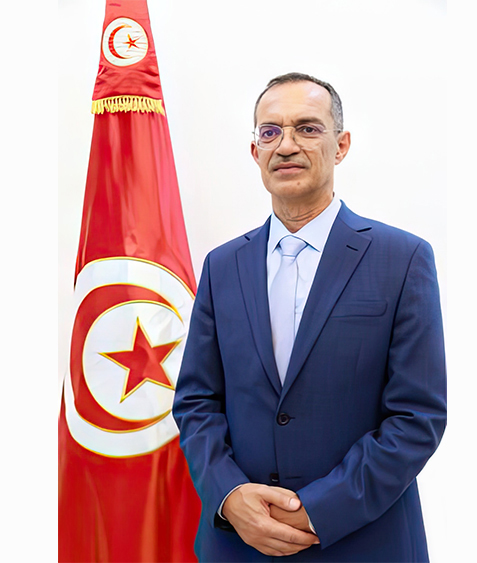
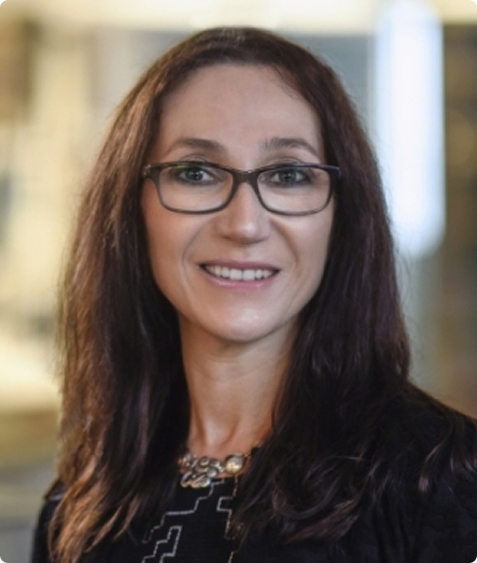
H.E. Ezzeddine Ben Cheikh has served as
Tunisia’s Minister of Agriculture, Water Resources and
Maritime Fisheries since 25 August 2024.
A civil engineer by training, he earned his National
Engineering Diploma from the National Engineering School of
Tunis in 1990 and then a postgraduate degree in Hydraulic
and Environmental Modelling from the same school in 2001.
Before joining the Cabinet, Minister Ben Cheikh spent almost
30 years with the state water-utility SECADENORD, rising
from Operations Director to Chief Executive in 2019, where
he oversaw major canal and water-supply projects.
As Minister, he now leads national efforts on water
security, climate-resilient agriculture and modernizing
agri-food value chains.
H.E. Habib Abid
Minister of Environment, Government of Tunisia
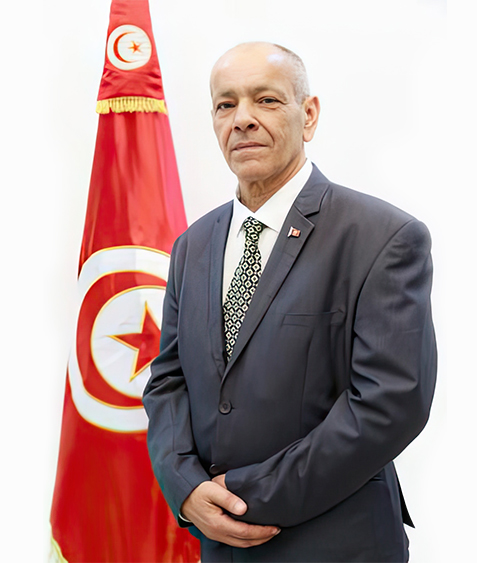
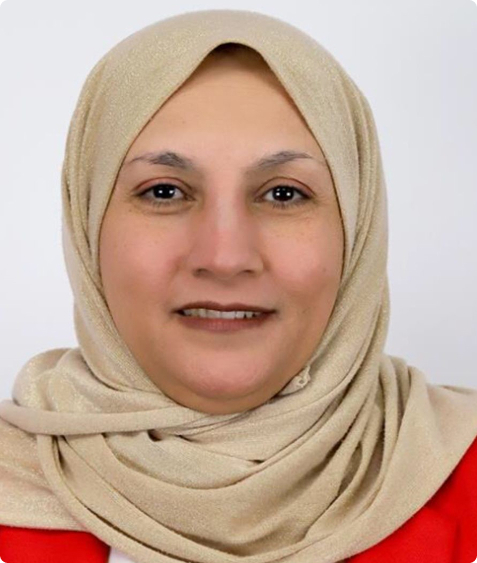
H.E. Habib Abid has been Tunisia’s Minister of
Environment since 25 August 2024.
Born in Sfax in 1960, he is an engineer of water and forests
with a PhD in environmental sciences.
Before joining the government, Minister Abid headed the
General Directorate of Forests at the Ministry of
Agriculture from 2016 to 2024 and also served as an
international climate change expert for the UN Food and
Agriculture Organization (FAO) in 2017.
As Minister, he is driving initiatives on climate-resilient
land management, biodiversity restoration and
circular-economy reforms.
Dr. Ahmadou Moustapha Ndiaye
Division Director for the Maghreb and Malta, The World Bank
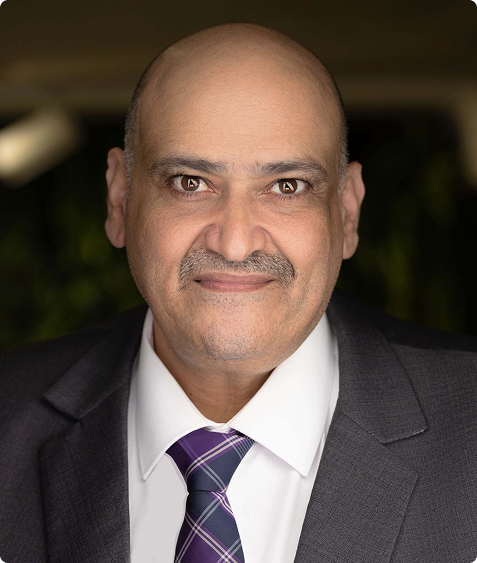
Ahmadou Moustapha Ndiaye has served as the World Bank’s
Country Director for the Maghreb and Malta since 1 July
2024,
Managing a USD 11.5 billion portfolio and shaping
partnerships that advance inclusive growth, private-sector
job creation, climate resilience, critical-infrastructure
access and human-capital development—especially for women
and youth—in Algeria, Libya, Malta, Morocco and Tunisia.
A certified public accountant with 34 years’ professional
experience, Ndiaye joined the Bank in 1998 and most recently
directed Strategy and Operations for Equitable Finance and
Inclusive Growth. Earlier posts span operational and
leadership roles across Africa, Latin America, Europe and
Central Asia. Prior to the World Bank, he was a manager at
Ernst and Young Senegal, advising corporate clients on
restructuring, finance and valuation.
Ndiaye holds a master’s degree in finance, accounting and
business administration from ESCP Business School (France).
Dr. Emmanuelle Soubeyran
Director General, World Organisation for Animal Health
(WOAH)
Dr. Emmanuelle Soubeyran is a Doctor of Veterinary
Medicine specialist in veterinary public health, crisis
management, and the One Health approach.
She was elected Director General of the World Organisation
for Animal Health in May 2024. Before this role, she served
as the Head of the French Veterinary Services from 2021 to
2024 and as the Director General of VetAgroSup from 2016 to
2021.
Dr. Hakim El Waer
Assistant Director-General and Regional Representative for
Near East and North Africa, Food and Agriculture
Organization (FAO)
Dr. AbdulHakim Elwaer is the Assistant Director-General
and Regional Representative for the Near East and North
Africa at the Food and Agriculture Organization of the
United Nations (FAO),
where he guides country and regional initiatives on
climate-smart agriculture, water and food security, and
resilient rural livelihoods across 20 member states. A
former Libyan Minister of Environment and President of the
African Ministerial Conference on the Environment (2004–06),
Dr. Elwaer went on to join the African Union Commission,
first as Director for Human Resources, Science and
Technology (2007) and later as Director for Administration
and Human Resources Management (2009), overseeing the launch
of several continent-wide science and education
institutions. From 2014 to 2017, he served the Islamic
Development Bank in Jeddah as Director for Cooperation,
Partnerships and Resource Mobilization, G20 Sherpa and
spokesperson, shaping global advocacy and financing for
sustainable development.
Dr. Elwaer holds a PhD in Environmental Chemistry from the
University of Sheffield (UK), a postgraduate diploma in
Organizational Leadership from the Gestalt Center (USA) and
a BSc in Environmental Engineering from the University of
Sabha (Libya).
Dr. Tedros Adhanom Ghebreyesus
Director General, World Health Organization (WHO)
Dr. Tedros Adhanom Ghebreyesus is the Director-General of
the World Health Organization (WHO), having assumed office
on July 1, 2017.
He made history as the first person from the WHO African
Region to lead the organization and the first to be elected
from multiple candidates by the World Health Assembly.
Born in Asmara, Eritrea, Dr. Tedros holds a Bachelor of
Science in Biology from the University of Asmara, a Master
of Science in Immunology of Infectious Diseases from the
University of London, and a PhD in Community Health from the
University of Nottingham.
Before his tenure at WHO, Dr. Tedros served as Ethiopia’s
Minister of Health (2005–2012) and Minister of Foreign
Affairs (2012–2016). As Minister of Health, he led
significant reforms, including the creation of 3,500 health
centers and 16,000 health posts, and the expansion of the
health workforce by 38,000 health extension workers. These
efforts contributed to a 60% reduction in child and maternal
mortality.
Dr. Tedros has also held leadership roles in global health
organizations, such as Chair of the Global Fund to Fight
AIDS, Tuberculosis, and Malaria, Chair of the Roll Back
Malaria Partnership, and Co-chair of the Partnership for
Maternal, Newborn and Child Health Board.
At WHO, Dr. Tedros has focused on universal health coverage,
emergency preparedness, and health equity. He introduced the
"triple billion" targets to improve health outcomes globally
and led the organization through significant reforms to
enhance its effectiveness.
Dr. Tedros has received numerous accolades, including the
Jimmy and Rosalynn Carter Humanitarian Award (2011),
honorary degrees from Umeå University (2018), University of
Nottingham (2019), and Newcastle University (2019), and the
Thomas Francis Jr. Medal in Global Public Health (2023).
Dr. Hanan Balkhy
Regional Director, Eastern Mediterranean, World Health
Organization (WHO)
Dr. Dr. Hanan Balkhy has served as the World Health
Organization (WHO) Regional Director for the Eastern
Mediterranean since 1 February 2024.
Her agenda is centered on five goals: ensuring equitable
access to care for hard-to-reach populations; boosting
country capacities to meet health emergencies driven by
climate change, pandemics, conflict and disasters;
strengthening public-health services for prevention and
health promotion; widening partnerships for financing and
knowledge-sharing; and enhancing the influence and agility
of WHO’s regional and country offices.
An expert in infectious diseases and antimicrobial
resistance, Dr. Balkhy was previously WHO Assistant
Director-General for Antimicrobial Resistance. Earlier she
headed Infection Prevention and Control at Saudi Arabia’s
Ministry of National Guard, directing the Gulf Cooperation
Council Centre for Infection Control and a WHO Collaborating
Centre on infection prevention and antimicrobial resistance.
A graduate of King Abdulaziz University (Saudi Arabia), she
completed a pediatrics residency at Massachusetts General
Hospital and a pediatric infectious-diseases fellowship at
the Cleveland Clinic Foundation and Case Western Reserve
University in the USA.
Mr. Abdul-Majeid Haddad
Deputy Regional Director and Representative, Regional Office
for West Asia, UNEP
Abdul-Majeid Haddad is Deputy Regional Director and
Representative of the United Nations Environment Programme
(UNEP) Regional Office for West Asia, where he steers
regional action on climate change, pollution control and
green finance across 12 countries.
A UNEP veteran, Haddad previously served as Regional Climate
Change Coordinator and Manager of Implementation and,
earlier, as Programme Officer for Climate Change and the
Marine Environment.
He is a frequent voice for the region on issues such as
circular solutions to plastic pollution, biodiversity
conservation, sand-and-dust-storm mitigation, and
sustainable finance.
Dr. Shobha Shetty
Global Director, Agriculture and Food, The Workd Bank
Shobha Shetty is the World Bank’s Global Director for
Agriculture and Food Global Practice.
An agricultural economist with a PhD and MSc from Cornell
University (after a BEng in electrical engineering from Anna
University, India), she has led agriculture and food
portfolios in both Africa and South Asia, and previously
managed global partnerships and resource-mobilization for
the Bank’s Social, Urban, Rural and Resilience practice.
Earlier postings in East Asia and the Pacific, Middle East
and North Africa underpin her broad expertise in irrigation
and water management, digital agriculture, jobs in agrifood
systems, women’s economic empowerment, nutrition, and
climate-resilient agriculture.
She has also been a visiting fellow at Cornell’s
Tata-Cornell Agriculture & Nutrition Initiative and at the
CGIAR’ s International Water Management Institute.
Dr. Geeta Sethi
Advisor and Global Lead for Food Systems, The World Bank
Geeta Sethi is the Advisor and Global Lead for Food
Systems at the World Bank.
She is managing the World Bank’s program on Food Loss and
Waste Reduction. More recently, she leads the One Health and
Sustainable Livestock sector for the World Bank.
She has more than 20 years of experience working as an
economist in fragile, low-, and middle-income countries. Her
work has focused on issues of rural development, service
delivery, and intergovernmental fiscal policies around the
world.
She has delivered many lending programs to the World Bank
Board as well as published books and articles in referred
journals on issues relating to rural labor markets, trade
policy and fiscal decentralization.
Previously, she was the Chief of Staff to the Climate Change
Vice President and Special Envoy, the Operations and
Strategy Manger for Climate Change, and worked as the
Program Manager for the Global Agriculture and Food Security
Program. She has an MBA and a PhD in Economics.
Dr. Philippe Eggimann
Vice-President, Swiss Medical Association
Dr. Philippe Eggimann is attending at CHUV in Lausanne,
Switzerland (https://www.chuv.ch/).
Board certified in internal medicine, infectious diseases,
and intensive care, and he has over 30 years of
clinical experience.
He focuses on improving care for critically ill patients,
notably in sepsis biomarkers, catheter-related infection
prevention, invasive candidiasis, and targeted
immunotherapy. (H-index 43)
https://www.researchgate.net/profile/Philippe_Eggimann.
He also serves as vice-president of the Swiss Medical
Association (www.fmh.ch).
Prof. Maria Elena Bottazzi
Senior Associate Dean, National School of Tropical Medicine;
Co-Director, Baylor College of Medicine
Professor Maria Elena Bottazzi is Senior Associate Dean
of the National School of Tropical Medicine and Professor
of Pediatrics at Baylor College of Medicine, where she
co-directs the Texas Children’s Hospital Center for
Vaccine Development in Houston.
An internationally recognized vaccinologist, she applies the
product-development-partnership model to
neglected-tropical-disease vaccines, having steered several
candidates from the bench to Phase 2 clinical trials while
building sustainable biotech capacity in low-resource
settings.
A Fellow of the American Society of Tropical Medicine and
Hygiene and an Emerging Leader in Health & Medicine of the
U.S. National Academies, Professor Bottazzi has authored
more than 120 peer-reviewed papers, spoken at 200+
conferences and serves on the NAS study committee on
strengthening foreign regulatory systems.
Born in Italy and raised in Honduras, she earned a BSc in
Microbiology and Clinical Chemistry from the National
Autonomous University of Honduras, a PhD in Molecular
Immunology and Experimental Pathology from the University of
Florida and completed post-doctoral training in cell biology
at the Universities of Miami and Pennsylvania.
Dr. Lujain Alqodmani
Immediate Past President, World Medical Association (WMA)
Dr. Lujain Alqodmani is the Immediate Past President of
the World Medical Association,
an organisation that represents over 10 million physicians.
She is currently the Health Professional Networks Lead of
Health Care Without Harm.
She served at several prestigious organizations, including
EAT, the International Federation of Medical Students
Association and Women in Global Health.
She is an emergency physician specialised in global health
management, policy and economics. She is an expert in
sustainable food systems and climate and health global
policy.
Dr. Ekhlas Hailat
One Health and Zoonotic Disease Specialist, MENA
Representative, One Health High-Level Expert Panel
Dr Ekhlas Hailat, She is a dedicated One Health and
Veterinary Public Health Specialist with more than 20
years of experience (Governmental and Non- Governmental)
in detecting, preventing, and responding to emerging and
re-emerging diseases.
She has extensive expertise in implementing projects related
to infectious diseases, biosafety, and biosecurity, as well
as in monitoring and surveillance of these projects across
multiple countries, including Jordan, Iraq, Pakistan,
Afghanistan, Tunisia, Libya, and Bangladesh.
She is an expert in the Performance of Veterinary Services
(PVS), Joint External Evaluation (JEE) Roster of Experts, a
member of the (GDG) Traditional Food Markets, GDG for
Malaria Vector Control. In 2024, she is a member of the
Quadripartite’s One Health High Level Expert Panel (OHHLEP).
Dr. Mohannad Al Nsour
Executive Director, Eastern Mediterranean Public Health
Network (EMPHNET)
Dr. Mohannad Al Nsour is a medical doctor and an
internationally recognized expert in field epidemiology,
operational research, and public health systems, and a
fellow through distinction with The Faculty of Public
Health at UK (FPH).
Dr. Al Nsour assumed several positions such as a notable
researcher, advisor, and director during his career path. He
also served as a consultant on several assignments with
international entities.
Dr. Al Nsour has been leading the Eastern Mediterranean
Public Health Network (EMPHNET) since 2009, by providing
strategic assistance and operational solutions, and guiding
the enrichment of Field Epidemiology Training Programs
(FETPs) and public health initiatives in the region. Under
Dr. Al Nsour’s leadership, EMPHNET emerged as a prominent
collaborative platform to serve the region and support
national efforts to promote public health policies, applied
epidemiology, surveillance, International Health Regulations
(IHR), resource mobilization, and public health program
development among others.
Dr. Al Nsour is a lecturer and speaker at regional and
international levels covering public health topics such as
leadership, field epidemiology, delivering evidence-based
recommendations, creating new opportunities, and being a
catalyst for change. Some of his areas of expertise are
infectious diseases, non-communicable diseases (NCD),
and global health.
Dr. Al Nsour serves on several regional and global
initiatives, associations, and networks as he is the Chair
of the Steering Committee for the Global Outbreak Alert and
Response Network (GOARN), having previously served for two
and half years as the Committee’s Deputy Chair. Dr. Al Nsour
is a member of the Global Health Emergency Corps (GHEC)
Design Group and an expert Member of the International
Health Regulations (2005) Review Committee to update
updating IHR amendments and Standing Recommendations for
COVID-19 and mpox. He also serves on the Lancet’s Advisory
Committee for the Johns Hopkins Center for Humanitarian
Health (CHH)-Lancet Commission on Health, Conflict, and
Forced Displacement and Commission on Evidence-based
Implementation in Global Health Advisory Group, among
others.
He has co-authored 70 peer reviewed publications that
primarily focus on non-communicable diseases (NCDs), mental
health, field epidemiology, and health systems and policy.
These include original research, population-based surveys,
epidemiological studies, multi-country studies,
systematic analyses, perspectives, teaching case
studies, scoping reviews, and evaluations. He has also
contributed to booklets and textbooks and is a co-author of
the textbook Synopsis in General Epidemiology. Dr. Al
Nsour is also the founder of the International Academy of
Public Health (IAPH).
Prof. Mohamed Gharbi
Professor, National School of Veterinary Medicine, Sidi
Thabet
DVM, Mohamed Gharbi is professor in veterinary
parasitology at École Nationale de Médecine Vétérinaire de
Sidi Thabet, Tunisie since 2002.
MSC in molecular biology from Faculté des Sciences de Tunis,
Tunisie and PhD from Institut Polytechnique de Toulouse,
France).
He published more than 160 peer-reviewed papers in
international journals and reviewed 160 manuscripts for 35
national and international journals. Member of the editorial
board of Veterinary Medicine and Science (Éd. Wiley) and
Preventive Veterinary Medicine (Éd. Elsevier). Co-editor in
chief of Bulletin de l’Académie Vétérinaire de France.
Member of the French veterinary Academy. Mohamed published 9
pocket books in arasitology.
Dr. Mohammed Bengoumi
Regional Animal Production and Health Officer, Food and
Agriculture Organization (FAO)
Mohammed Bengoumi graduated as DVM, he holds a Master
degree on Quality of the Products and a PhD in Animal
Science.
Before joining FAO as regional Production and Health Officer
in 2008, he worked as Professor in the agronomic and
veterinary Institute in Morocco.
He has more than 35 years’ experience in Animal Production
and Health with more than 100 scientific publications in
indexed scientific journals and more than 250 communications
in conferences. He is a member of scientific or editorial
board committees for several scientific journals. He is
affiliated to several scientific associations.
Dr. Paolo Tizzani
Senior Veterinary Epidemiologist, World Organisation for
Animal Health (WOAH)
Dr. Paolo Tizzani is a veterinarian, graduated in 2000.
From 2001 to 2015 he worked at the University of Turin
(Italy).
His research has mainly focused on the ecology and
epidemiology of wildlife diseases. He obtained his PhD in
Parasitology in 2007. From 2010 to 2015 he worked in
EU-funded projects on the control of infectious animal
diseases. Dr. Tizzani joined the World Organisation for
Animal Health in 2015 as a Veterinary Epidemiologist.
His activities include epidemiological analysis of the
global animal health situation, and epidemic intelligence to
improve early detection and response to animal health
threats.
Dr. Nicola D’Alterio
Director General, IZS Teramo
Nicola D’Alterio, Doctor of Veterinary Medicine, is the
General Director of the IZS-Teramo, Italy, a public health
institute which conducts veterinary public health
activities aiming at protecting human, animal, and
environmental health.
He strongly promotes the One Health approach at national and
international levels, to fight zoonosis and
antimicrobial-resistance. Dr. D’Alterio is the promoter of
the "One Health Award" event held from 2022 on, in Teramo
and he is the editor in chief of the “One Health Journal”.
Dr. David Wilson
Program Director, Health, Nutrition and Population, The
World Bank
David has worked for the World Bank for about 25 years,
including 12 years as Programme Director in the Health,
Nutrition and Population Practice.
He was recently Team Leader of the World Bank’s COVID-19
project, the largest in the World Bank’s history.
He also established and led the World Bank’s Health
Preparedness and Emergency Response Trust Fund. He
previously led both the Health Practice and the wider Human
Development Network’s work on Data Science and Technological
Innovation. He also led and coordinated all the Global
Solutions Groups in the Health, Nutrition and Population
Practice and led a specialized Global Solutions Group on
Decision and Delivery Science.
David has worked in approximately 70 countries on all
continents, including 28 countries in Africa and many
fragile and conflict settings in Africa, the Middle East,
South Asia, East Asia and the Pacific. He has published
approximately 150 scientific papers and given over 1,000
scientific addresses.
Dr. Yosr Allouche
Director General, International Institute of Refrigeration
(IIR)
Dr-Ing. Yosr Allouche is the Director General of the
International Institute of Refrigeration (IIR). She holds
a PhD in Mechanical Engineering from the University of
Porto and has over 15 years of experience in the
refrigeration sector.
She stood out as a research scientist in refrigeration
technology at the Norwegian University of Science and
Technology (NTNU), where she was also serving as an
Associate Professor in Refrigeration technologies.
Dr. Allouche has authored an impressive number of
publications in high impact factor scientific journals,
scientific guides and reports. Elected as Director General
of the IIR during the 26th International Congress of
Refrigeration in August 2023 in Paris, she officially
assumed office on October 1, 2024.
Dr. Allouche is committed to advancing sustainable and
climate-friendly refrigeration technologies, while
reinforcing the role of science in policymaking and
industrial innovation.
A key priority of her mandate is also to support
strengthening international cooperation by building bridges
between countries, institutions, and stakeholders to foster
knowledge exchange on refrigeration, capacity building, and
inclusive access to refrigeration solutions worldwide.
Dr. Julie Garnier
Co-Founder and Trustee, Odyssey Conservation Trust
Julie Garnier (Dr Vre, D.Vet.Med., MRCVS) is a leading
One Health expert practitioner, and veterinarian with over
25-year experience in pioneering community-based One
Health programs combining biodiversity and ecosystem
regeneration with a gender-responsive OH approach.
She co-founded the Odyssey Conservation Trust with a small
group of One Health practitioners to operationalize a One
Health in Action approach by empowering vulnerable
communities and especially women in threatened ecosystems.
One Health In Action innovative approach stems from two
decades of hands-on-work with some of Africa’s most remote
and marginalized communities, where she co-created
pioneering transformative programs with multiple
stakeholders including private sector, leading to the
creation of some of the first Hope Spots for the planet.
The Odyssey Conservation Trust is now operationalizing this
unique gender-responsive One Health approach in other
threatened ecosystems and landscapes across the globe by
creating multiple stakeholders partnerships including
private sector, developing unique training programs for all
stakeholders and by creating One Health solutions to foster
the health and resilience of all. Julie earned the Femme en
Or for the Environment award and is an active member of
multiple international One Health networks.
Dr. Amina Benyahia
Head a.i., One Health Initiative, World Health Organization
(WHO)
Dr. Amina Benyahia is currently the Head a.i. of the WHO
One Health Initiative
Where she leads, inter alia, the coordination and management
of the Quadripartite secretariat, the development and
implementation of the One Health Joint Plan of Action, the
scientific advice of the One Health High Level Expert Panel
(OHHLEP) and the provision of strategic and coordinated use
of the One Health approach in the Organization’s work,
including the strengthening of One Health governance at all
levels.
She has been working in global health with the World Health
Organization (WHO) since 2002. Her twenty-two years of
global health activities include extensive experience in
communicable diseases preparedness and response under the
international Regulation framework (IHR 2005), foodborne
AMR, food safety, One Health, and multi-stakeholder
partnerships
Dr. Wahib Mehri
Director General, General Directorate of Veterinary Services
Dr. Wahib Mehri has been Tunisia’s Director-General of
Veterinary Services (DGSV)—and Chief Veterinary
Officer—since his presidential appointment on 24 February
2025.
In this capacity, he heads national policy on animal health
and food-chain safety, represents Tunisia at the World
Organization for Animal Health (WOAH), and is steering a
2025-30 livestock-health strategy that emphasizes
biosecurity, disease surveillance and One Health
collaborations.
A veterinary inspector-general by rank, Dr. Mehri previously
ran the Animal Production Division in Sousse (2018), leading
bluetongue-control campaigns in central Tunisia. Beyond
government service, Dr. Mehri is an active researcher—his
early work on antimicrobial-resistant Enterobacteriaceae in
Tunisian poultry and pets is widely cited.
Dr. Nissaf Ben Alaya
Director General, Tunisia National Observatory of New and
Emerging Diseases
Dr. Nissaf Bou Afif Ben Alaya directs Tunisia’s National
Observatory of New and Emerging Diseases and chairs the
country’s Field Epidemiology Training Program (FETP),
while also serving as Chair of the EMPHNET FETP Board of
Directors.
A preventive medicine specialist and full professor at the
Faculty of Medicine of Tunis, she heads its Department of
Preventive Medicine and Epidemiology and runs the
university’s master’s program in epidemiology and
biostatistics.
Her research focuses on surveillance, outbreak response and
the burden of non-communicable diseases, with more than 80
peer-reviewed publications and leadership of Tunisia’s
COVID-19 analytics team.
Dr. Bou Afif earned her MD from the Faculty of Medicine of
Tunis, an MPH from the University of Paris VI, and a second
master’s in Epidemiology, Biostatistics and Modelling from
the University of Bordeaux, France.
Dr. Priya Basu
Executive Head, Pandemic Fund
Priya Basu is the Executive Head of the Pandemic Fund
hosted by the World Bank. Prior to this, Priya served as
head of the COVID-19 task force at the World Bank and led
the Bank’s engagement on pandemic prevention,
preparedness, and response in global fora, including the G20
and G7, coordinating across finance and health. In previous
roles, she managed a $21bn portfolio of Financial
Intermediary Funds and trust funds administered by the Bank
to support partnerships around global priorities, such as
financial inclusion, global health security, climate change,
and debt relief, served as the inaugural head of the Women
Entrepreneurs Finance Initiative, and was the Bank’s Lead
financial economist for India.
In a career spanning three decades, Priya has successfully
managed complex engagements across regions to solve
country-level development challenges. Before joining the
Bank, Basu worked in London investment banking and held
economist positions at the IMF, Asian Development Bank,
UNCTAD and ILO.
She is the author of three books on financial-sector
resilience and inclusion. Basu earned a BA (Hons) in
Economics from St Stephen’s College, Delhi University, and
both PPE and MSc degrees in Development Economics from
Oxford University.
Prof. Hechmi Louzir
Professor of Medicine and Immunology, Former Director
General of the Pasteur Institute of Tunis
Professor Hechmi Louzir is a physician and immunologist,
and the former Director General of the Pasteur Institute
of Tunis (2007–2023).
A graduate of the Faculty of Medicine of Tunis and former
intern at the Institut Pasteur in Paris, he has led major
research programs on host-pathogen interactions and
contributed significantly to the teaching of immunology in
Tunisia. He is the author of nearly 90 scientific
publications and several patents and has coordinated over 30
international research projects.
Professor Louzir played a leading role in Tunisia’s COVID-19
response, chairing the national Scientific Vaccination
Committee and overseeing the country’s vaccination campaign.
He has held senior positions within the international
Pasteur Network and currently serves on The Lancet
Commission on 21st-Century Threats to Global Health. He is
also Chairman of the Scientific and Strategic Board of ABI
(Applied Biotech & Innovation), a company dedicated to
transforming scientific discoveries into practical solutions
in the fields of biotechnology and healthcare.
Dr. Sina Haj Amor
Director of International Cooperations, Ministry of Health
Dr. Sina Haj Amor is Tunisia’s Director-General for
International Cooperation at the Ministry of Health, a
role she assumed in 2022 after completing a Hubert H.
Humphrey Fellowship at Emory University’s Rollins School of
Public Health (2021–22). She leads the country’s
health-diplomacy agenda, heading Tunisia’s delegation to the
WHO Eastern Mediterranean Regional Committee and brokering
partnerships with multilateral and bilateral donors.
In 2024, Dr. Haj Amor was elected the first-ever female
Chair of the Regional Technical Advisory Committee (ReTAC)
for North Africa, an Africa CDC platform that coordinates
joint public-health action across the Maghreb. A family
physician by training, she has delivered national
infection-control training during COVID-19 and continues to
apply clinical insights to international cooperation. Dr.
Haj Amor’s scholarly work focuses on health financing and
universal health coverage; her analyses of Tunisia’s
healthcare expenditure have been published in the Eastern
Mediterranean Health Journal.
Dr. Rachid Bouguedour
Sub-Regional Representative for North Africa, World
Organisation for Animal Health (WOAH)
Dr. Rachid Bouguedour has headed the World Organization
for Animal Health (WOAH) Sub-Regional Representation for
North Africa since 2012, coordinating animal-health
programs across Algeria, Libya, Mauritania, Morocco and
Tunisia from the Tunis office.
An Algerian veterinarian, he previously served as
Director-General of Veterinary Services and WOAH Delegate
for Algeria, roles that earned him election to the
Organization's Council. In his current position, he steers
regional surveillance networks such as REMESA and chairs
workshops on rabies, bluetongue and other transboundary
diseases.
Dr. Abderrazak Bouzouita
Director General, Ministry of Health
Dr. Abderrazak Bouzouita has directed Tunisia’s General
Directorate of Health since October 2021, steering
nationwide reforms in digital health, service quality and
workforce deployment while overseeing a US $11.5 billion
project portfolio.
A Professor of Urology at Charles Nicolle University
Hospital and the Faculty of Medicine of Tunis, Dr. Bouzouita
previously headed medical research at the Ministry of Health
and pioneered electronic medical-record pilots that now
underpin Tunisia’s E-health strategy.
He represents Tunisia in global health diplomacy—signing the
country’s ICARS Mission Partnership on antimicrobial
resistance, co-hosting US–Tunisia governance roundtables,
and championing One Health collaboration. A regular speaker
at regional tele-health forums and digital-health summits,
he advocates for expanded pharmacist roles and equitable
specialist coverage in interior governorates.
Mr. Wassim Belarbi
Master of Ceremonies
Wassim Belarbi is a Tunisian broadcast-journalist and
event host best known for anchoring the morning economics
show “Espresso” on Express FM, the country’s leading
business radio station.
A trilingual moderator, he began his media career at the
Radio Tunis (Chaîne Internationale) and the national TV
before moving to Express FM, where his interviews with
ministers, entrepreneurs and international partners have
made him a familiar voice on Tunisian airwaves.
Over the past decade Belarbi has chaired high-level forums
that bridge government, multilateral institutions and the
private sector, including the World Bank “Changing Nature of
Work” dialogue, the Tunisia Investment Forum 2024, and the
EU–Tunisia Business Forum. He will also serve as Master of
Ceremonies for the One Health MENA Conference 2025, guiding
ministerial panels and plenary sessions.
Dr. Laure Weber Vintzel
Senior Livestock Specialist, The World Bank
Dr. Laure Weber-Vintzel is a Senior Livestock Specialist
at the World Bank Group,
Where she provides technical support for sustainable
livestock-sector analytics and operations that improve
productivity, strengthen pandemic-prevention systems,
contribute mitigating greenhouse gas emissions and adapting
to climate change. Veterinarian with a master's in animal
production, she spent almost two decades with the World
Organisation for Animal Health (WOAH), working in various
positions both in Headquarters and Southeast Asia.
Her expertise includes animal health, surveillance and
information systems, control and eradication strategy of
transboundary animal diseases, AMR, crisis management,
international standards setting, implementation and
monitoring, evaluation of health systems, and of course One
Health.
Dr. Mediha Khammassi Khbou
Associate Professor in Veterinary Epidemiology and
Infectious Animal Diseases, Tunisia National School of
Veterinary Medicine
Dr. Mediha Khammassi Khbou is Associate Professor of
Veterinary Epidemiology and Infectious Animal Diseases at
the National School of Veterinary Medicine, Sidi
Thabet–University of Manouba (Tunisia),
Where she leads research on the ecology and control of
livestock-borne zoonoses. Dr. Mediha holds an MSc and PhD
degrees in infectious-disease epidemiology, her work
integrates molecular and serological diagnostics, GIS
mapping and biostatistics to understand how climate change
is reshaping tick-borne and other vector-borne pathogens in
small-ruminant systems.
Dr. Khbou has published widely—most recently on serological
evidence of tick-borne encephalitis virus in Tunisian
livestock—and contributes to regional One Health dialogues.
Her current projects, run through the Laboratory of
Infectious Animal Diseases, Zoonoses and Sanitary
Regulation, support national surveillance and training
programs aimed at reducing the public-health and economic
burden of emerging animal diseases.
Dr. Francesco Valentini
Programme Officer, Sub-Regional Representation for North
Africa, World Organisation for Animal Health (WOAH)
Francesco Valentini is a DVM working in the WOAH
Sub-Regional Representation for North Africa
in Tunis since October 2022.
He holds a post-graduate degree in Animal Health, Livestock
Farming and Animal Production and an Advanced Course in
Wildlife Management, Conservation Medicine and Public
Health. After graduation he won two research grants with
Italian research institutes and universities.
His role within WOAH is to promote, plan and conduct the
activities of Representation and to provide WOAH members
with appropriately adapted local services in order to
strengthen veterinary and public health in the region.
In the last year, he has been responsible for the
coordination of the Regional Quadripartite One Health
Coordination Group (OH-CG) for the Near & Middle East and
North Africa, Eastern Mediterranean Region (MENA).
Dr. Mohamed Rebhi
Director General, Ministry of Health, Government of Tunisia
Dr. Mohamed Rabhi directs Tunisia’s National Authority
for Food-Safety (INSSPA) within the Ministry of Health.
He heads nationwide surveillance of food businesses and
border inspections, recently overseeing special campaigns
that seized more than 3 000 tons of unsafe products in 2024
and a further seven tons ahead of the 2025 New Year holiday.
Dr. Rabhi also represents Tunisia in regional One-Health and
food-safety fora and briefs the public media on emerging
risks
A career public-health officer, he previously led the
Ministry’s Directorate of Environmental Hygiene and
Environmental Protection (DHMPE), coordinating national
food-safety days and hygiene guidelines. An
engineer-epidemiologist trained by Dr. Rabhi continues to
publish technical guidance on food-borne hazards and
training for inspectors.
Dr. Svetlana Edmeades
Lead Economist, The World Bank
Dr. Svetlana Edmeades is a Lead Agriculture Economist in
the Agriculture and Food Global Practice in the Middle
East and North Africa (MENA) Region of the World Bank
Among other tasks, she is co-leading the operationalization
of the One Health agenda in the region. Before joining MENA
in 2022, Dr. Edmeades led analytical and operational work
for World Bank investments in the Europe and Central Asia
(ECA) and Latin America and Caribbean (LAC) Regions.
Among the areas of work she has covered are the analysis of
public expenditure in agriculture, growth and jobs in
agriculture, climate smart agriculture, circular economy,
food loss and waste in the agrifood system, mainstreaming
biodiversity into productive space, linking small producers
to markets through productive alliances, development of
national agricultural and rural development strategies and
risk management frameworks, etc.
Dr. Chadia Wannous
One Health Senior Specialist and Global Coordinator, World
Organisation for Animal Health (WOAH)
Dr. Wannous is the One Health Senior Specialist and
Global Coordinator at the World Organisation for Animal
Health (WOAH).
Her work centers on preventing and reducing the risk of
health threats at the human-animal-environment interface
through the One Health approach. Her focus includes
addressing zoonotic and vector-borne diseases, and drivers
of risk, including climate change and biodiversity loss.
Prior to joining WOAH, Dr. Wannous had extensive experience
working within the UN System, specializing in health
emergencies prevention, preparedness, and response. She
served as the Senior Policy Advisor to the UN Special Envoy
on the Ebola response in West Africa and to the UN System
Influenza Coordination. Dr. Wannous also led the Toward a
Safer World Network for Pandemic Preparedness, coordinated
the health aspects of the Sendai Framework for Disaster Risk
Reduction, and coordinated its Science and Technology
Partnership.
Dr. Wannous is an active member of several prominent
Steering Committees, including the Future Earth Health
Knowledge Network, the International Alliance Against Health
Risks in Wildlife Trade, and the Council of the
International Society of Infectious Diseases.
Dr. Wannous is a public health expert with a PhD in
International Health and Development from Tulane University,
USA, and a Master of Science in Health Research from the
London School of Hygiene and Tropical Medicine.
Prof. Yasmine Belkaid
President, Paris Pasteur Institute, France
Professor Yasmine Belkaid has led Paris Pasteur Institute
as its President since January 2024 and heads its
Metaorganism Laboratory, steering research on
host–microbiome interactions, immunity and infection.
Before returning to Pasteur, the Algerian-born
immunologist spent two decades at the U.S.
National Institute of Allergy and Infectious Diseases, where
she founded and directed the NIAID Microbiome Program,
chaired the Laboratory of Host Immunity and Microbiome and
directed the trans-NIH Center for Human Immunology. Her work
has revealed how commensal microbes and diet shape tissue
homeostasis and immune protection, and how infections
influence maternal-child health.
Prof. Belkaid holds an MSc in Biochemistry from the
University of Science and Technology Houari Boumediene
(Algiers) and a PhD from Pasteur Institute. Elected to the
US National Academy of Sciences, the American Academy of
Arts and Sciences and the National Academy of Medicine, she
has received the Lurie Prize, Emil von Behring Prize,
Sanofi–Institut Pasteur Award, Robert Koch Award and AAI
Excellence in Mentoring Award.
Dr. Tareq Ahmed Mohamed Alameri
Chairman, UAE Aid Agency
Dr. Tareq Ahmed Mohamed Al Ameri currently serves as the
Chairman of the UAE Aid Agency.
Before that, Dr. Al Ameri was the Director of the Office of
Development Affairs at the Presidential Court. With a
stellar academic and professional background, he has held
prominent leadership roles, including Executive Director at
the Abu Dhabi Food Control Authority, the General
Secretariat of the Abu Dhabi Executive Council, and the
Ministry of Interior.
Dr. Al Ameri holds a PhD in "Process Systems Engineering"
from Imperial College London, a Master of Business
Administration from Abu Dhabi University, and a bachelor's
degree in chemical engineering and process systems
engineering from Washington University in Saint Louis, USA.
Mr. Sami Dimassi
Regional Director and Representative, Regional Office for
West Asia, United Nations Environment Programme (UNEP)
Sami Dimassi has headed the United Nations Environment
Programme’s Regional Office for West Asia as Director and
Regional Representative since 2017.
A Lebanese Canadian manager with more than 20 years’
experience in multilateral affairs, he has also served UNEP
as Senior ICT Advisor,
Head of the Innovation Branch, Deputy Director of the
Science Division, Director for Private-Sector Engagement and
Acting Director of Corporate Services. His portfolio spans
climate action, policy reform, strategy design and
partnerships that bring the private sector into regional
environmental work. Dimassi holds a BSc in Information
Technology from the University of Ottawa and an MSc in
Management from the University of Waterloo.
Pr. Ouafaa Fassi Fihri
Specialit in virology and immunology at University of
Montreal, Faculty of Veterinary Medicine of Saint-Hyacinthe
Prof. Ouafaa Fassi Fihri is a DVM from IAV Hassan II.
Then, she joined the University of Montreal, Faculty of
Veterinary Medicine of Saint-Hyacinthe for a speciality in
virology and immunology.
She obtained her PhD in 1995 and since then she has been
involved in research projects on viral infectious diseases
with several international partners in Europe and Africa.
She was Director of Scientific Research and Doctoral
Training at IAV Hassan II and Director of the same
establishment from 2014 to 2017. She won the 1st prize of
the Grand Prix Hassan II for Agriculture with her research
team, category Advanced Sciences and Technologies, on a
project entitled "an edifying experience of 10 years:
integrated control against rabies in Morocco according to
the One Health concept". In November 2019, with her
colleagues, they will create the "One Health Maroc"
Association.
Dr. Fadia Saadah
Regional Practice Director for Human Development in Middle
East and North Africa Region
Dr. Fadia Saadah is currently the Regional Practice
Director for Human Development in Middle East and North
Africa Region. Throughout a more than 30-year career at
the World Bank,
she has held various leadership positions, including
Regional Director for Human Development in Europe and
Central Asia Region; Director of the Global Practice for
Health, Nutrition, and Population; and Manager at
Operational Policy and Country Services.
Dr. Saadah holds a Master's degree in Biostatistics and a
PhD in Population Studies from Johns Hopkins University,
Baltimore, USA, and a Bachelor's degree in Environmental
Health and a Master's degree in Epidemiology from the
American University of Beirut, Lebanon.
H.E. Khaled Nouri
Minister of Interior Affairs
H.E. Khaled Nouri has been Tunisia’s Minister of Interior
Affairs since 25 May 2024.
A trained jurist, he earned a degree in Private Law from the
University of Sousse, followed by a postgraduate diploma
from the Higher Institute of Magistracy and the Certificate
of Aptitude to the Legal Profession (CAPA).
Prior to joining the Cabinet, he headed the State Litigation
Directorate and served as Governor of Ariana from 2022 to
2024.
In his current role, Minister Nouri focuses on public
security, border management and the modernization of
internal affairs services.